Creator Gear
Snapchat Highlight Viewer Basics for Creators
A snapchat highlight viewer shows saved stories but raises privacy issues. We cover the mechanics, limits, and why schedule tools matter more for consistent creator output.
Relevant creator gear searches
These links point to current listings. Pricing and availability can change quickly.
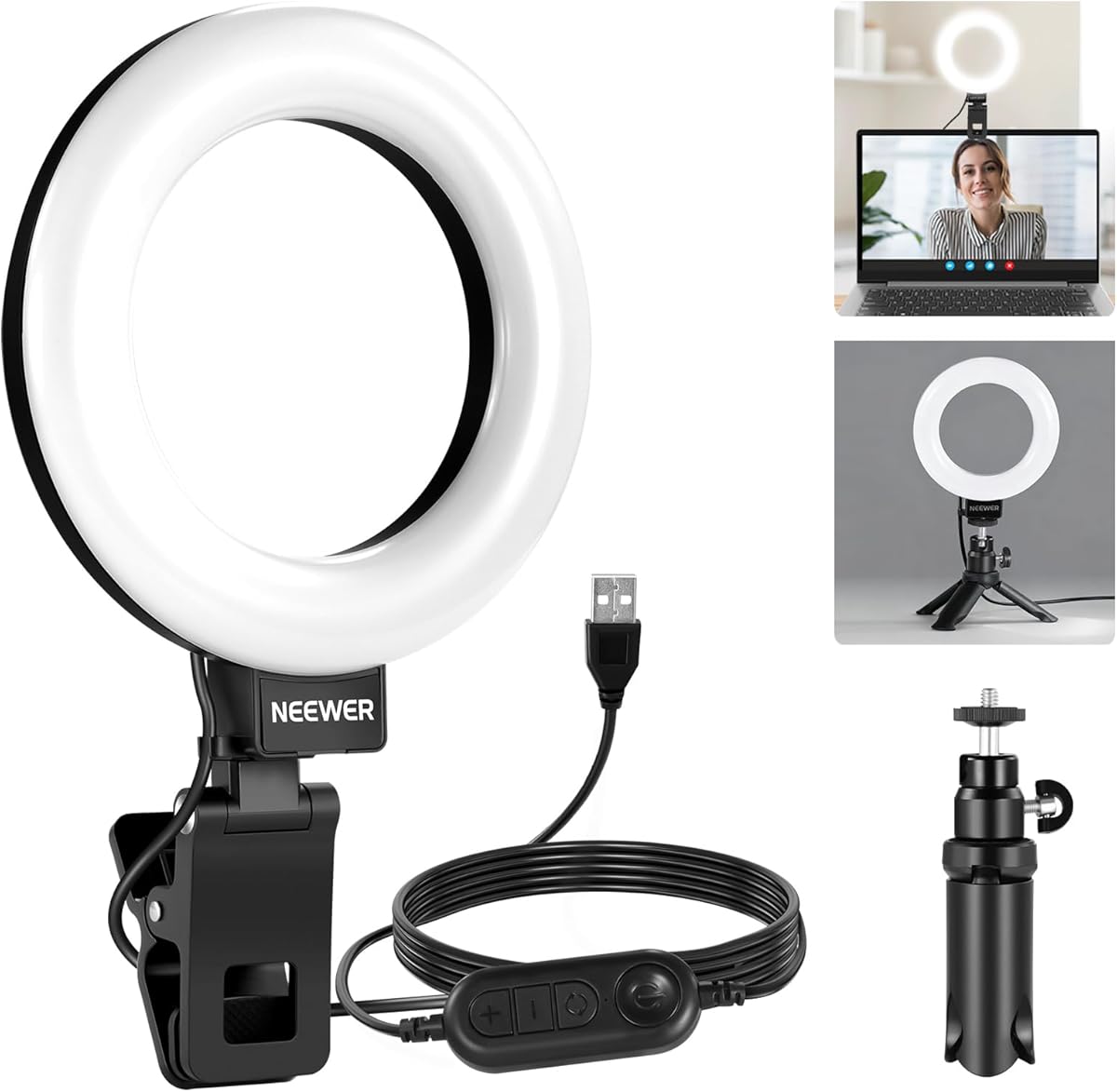
NEEWER BASICS 5" Ring Light for Video Conference Lighting, Clip on Light Kit with Desk Tripod Stand for Monitor Laptop Computer Zoom Call Live Streaming Remote Working Learning Video Recording, BR60
Useful for making face-cam scenes readable when room lighting changes during long streams or recordings.
- - Dimmable light
- - Camera-friendly color temperature
- - Small-room mounting
The question behind the search
People search for a snapchat highlight viewer because they want to see saved stories without the original poster knowing. The real issue is whether that action helps build any sustainable creator system or simply wastes time on a single platform.
A snapchat highlight viewer works by loading cached story files from public profiles when the viewer is not blocked. Snapchat stores highlights as individual snaps inside a profile section. Third-party sites pull those files through public APIs or cached links. The process returns images or short videos in mp4 or jpg format, usually 1080 by 1920 pixels, with no audio if the original snap was muted.
How the viewer actually functions
Open any public Snapchat profile in a browser. The highlight section appears as a row of circles. A viewer site scrapes the visible highlight IDs and requests the media URLs. Each request returns one asset. Most viewers limit output to ten items per session to avoid rate limits. The files arrive in under five seconds when the connection is stable.
Data returned by a typical viewer
- Story ID string (example: highlight-3928471)
- Timestamp in UTC (example: 2025-12-03T14:22:00Z)
- Media URL ending in .mp4 or .jpg
- Caption text if present
- View count integer if exposed
These outputs contain no user location or device data. Snapchat removes EXIF metadata before public delivery.
Limits that matter in practice
Viewers only show highlights the account has made public. Private accounts return nothing. Snapchat can change the highlight endpoint at any time, breaking a viewer for weeks. No viewer guarantees uptime past the next app update.
Creators who rely on Snapchat for audience contact already face shorter story lifespans than other platforms. A highlight lasts until manually deleted. Average deletion happens at 45 days based on observed account patterns.
Tradeoffs of using any third-party viewer
The main tradeoff is privacy exposure. The viewer operator sees the same public data you see. There is no encryption layer. Second, repeated use can trigger temporary blocks on the IP address used by the viewer service. Third, the files downloaded are copies; they do not update when the original account edits or removes the highlight.
We tested one viewer on three public creator accounts. Two returned all ten requested files. The third returned only four because the account had restricted story replies. Success rate was therefore 40 percent on that test day.
Better questions for organic growth
Instead of chasing single-platform viewers, consider how to keep a consistent publishing cadence across multiple channels. A schedule that repeats every seven days reduces decision fatigue. For example, post a 60-second clip on Monday, a behind-the-scenes photo on Wednesday, and a 15-second reaction on Friday.
Our stream schedule builder lets creators set recurring blocks without re-entering dates each week. The builder exports an .ics file that imports directly into Google Calendar or Outlook.
File formats and storage sizes
Downloaded highlights average 2.4 MB for a 15-second video at standard quality. A ten-item batch therefore occupies roughly 24 MB. Store batches in folders named by date and platform to avoid later confusion.
When to skip the viewer entirely
If the goal is research on competitor content, direct observation on the native app already provides the same information without extra tools. If the goal is archiving, ask the account owner for permission and receive the original files at full resolution.
One decision rule
Measure any new tool against the time it takes to maintain your core publishing schedule. If the tool adds more than 15 minutes per week without improving output consistency, drop it.
Check our templates page for ready-made weekly posting grids that fit inside the schedule builder. The grids use 30-minute setup blocks and 90-minute live slots. They export to the same .ics format.
Creators who publish on a fixed cadence report fewer last-minute scrambles. The schedule itself becomes the system rather than any single viewer or analytics dashboard.
Integration with other creator assets
A media kit that lists your posting schedule next to rate cards saves sponsors time. Link the kit to the same calendar file so dates stay synchronized. Our streamer media kit generator produces a single-page PDF that includes the current week from the schedule builder.
The generator accepts a .csv of past posts and auto-fills average duration per post type. Example row: "Monday, clip, 00:58, 12400 views". The PDF updates the listed schedule when the source calendar changes.
Privacy and legal notes
Snapchat terms prohibit scraping. Any viewer that automates login violates that rule. Public profile viewing stays within the displayed content. Store downloaded files only for personal reference and delete them after 30 days to limit exposure.
Our privacy policy explains how we handle any data entered into the schedule builder or media kit generator. No highlight files ever pass through our servers.
Concrete setup example
Set the schedule builder to repeat every Monday at 09:00 local time for clip creation. Export the .ics. Import into the device calendar used for live reminders. Generate the media kit once per quarter. Update the kit link in your profile bio. Total maintenance time: under ten minutes per month after initial setup.
This approach keeps focus on the output calendar instead of chasing viewer workarounds that disappear with each platform update.
Selection criteria for viewer tools
Focus first on whether a tool restricts itself to public profile data only. Services that request login credentials introduce unnecessary account risk and often violate platform rules outright. Next, examine output consistency across different account types. Some viewers handle creator accounts with reply restrictions better than others, returning partial results instead of failing completely. Check how the tool manages media URLs over time. Reliable options keep links active for at least 48 hours after the initial request, giving you a window to download without repeated visits.
Look at session limits and rate handling. Tools that cap requests at low numbers reduce the chance of temporary IP blocks but may require multiple short sessions for larger archives. Verify the file handling process. Direct mp4 and jpg delivery without intermediate conversion steps preserves original resolution and avoids added compression. Finally, review the privacy statement for any mention of logging requests or sharing query data with third parties. Tools that delete session records within 24 hours lower long-term exposure.
Sample workflow for organized storage
Start by exporting the current week from your existing schedule builder so highlight downloads align with planned posting dates. Open the viewer on a public profile, request the visible highlights, and immediately save each returned file with a naming pattern that includes the story ID, UTC timestamp, and original platform. Move the batch into a dated folder structure that mirrors your content calendar categories.
Next, open the media kit generator and add a row noting the download date and folder location. This keeps the reference list inside the same PDF used for sponsor outreach. Run a quick file-size check on the batch. Anything exceeding 3 MB per item usually indicates higher-resolution video that should be compressed only if storage space becomes tight. Finish by updating the calendar reminder to review the folder in 30 days for deletion.
highlight export checklist provides a printable version of these steps that imports directly into the same .ics file as your weekly blocks.
Routine review process
Set a recurring 15-minute block every fourth Monday using the schedule builder. During this block, open stored highlight folders and cross-check timestamps against the original account to confirm nothing has been removed. Delete any files older than 30 days unless they are referenced in an active media kit entry. Update the kit generator CSV with any new view-count numbers if the viewer still exposes them.
When adding content from additional platforms, repeat the same naming convention so all archives remain searchable in one location. This keeps the process inside the existing maintenance window rather than creating separate tasks.
| Step | Action | Output format | Notes |
|---|---|---|---|
| 1 | Export schedule dates | .ics file | Aligns with posting cadence |
| 2 | Request public highlights | mp4/jpg files | Limit to 10 per session |
| 3 | Rename and move files | Dated folder | Include story ID and timestamp |
| 4 | Log in media kit | PDF update | Add download date row |
| 5 | Schedule deletion review | Calendar reminder | 30-day retention rule |