Creator Gear
Useviral Compared to Organic Streamer Tools
Compare useviral paid services against free organic planning tools from FlixyGrow for streamers focused on schedule consistency and media kit assets without fake engagement risks.
Relevant creator gear searches
These links point to current listings. Pricing and availability can change quickly.
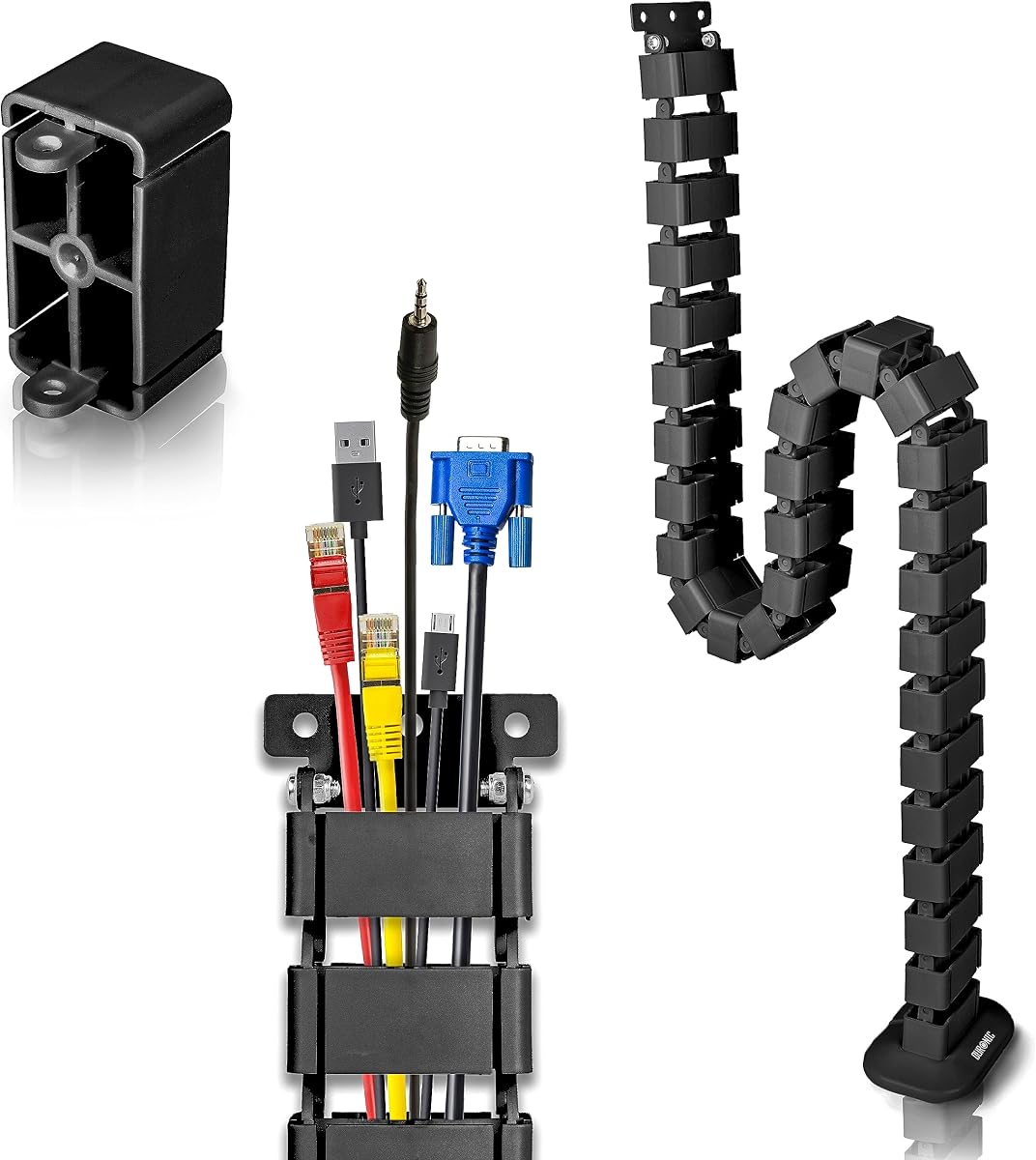
Duronic CM1DM BK Cable Management Spine, Height Adjustable Cable Snake for Sit Stand Desk, Four Channel Cord Organisers, Wire Tidy for Home Office Computer Workstations Holds 16+ Leads, 130cm, Black
Small setup pieces that keep cameras, lights, microphones, and charging cables repeatable between sessions.
- - Cable routing
- - Clamp or mount options
- - Easy teardown
Growth service landscape
Roughly two dozen paid follower and view services operate today. The axis that actually separates them is paid metrics versus documented organic workflows.
The dimension that matters most
Consistency of output beats one-time spikes. Streamers who publish fixed schedules see steadier retention than those who buy bursts.
Use the stream schedule builder to lock in weekly blocks. Track output in a simple table:
| Day | Slot | Format | Backup |
|---|---|---|---|
| Mon | 19:00 UTC | 2-hour game | Secondary line |
| Wed | 20:00 UTC | 90-min Q&A | Phone hotspot |
Head-to-head on schedule reliability
Paid view packages deliver numbers within 24-48 hours but reset when campaigns end. Organic schedules built once and reused across months keep the same cadence without recurring spend.
Link the first mention of the Media Kit Generator when you prepare sponsor assets. Export a PDF that lists your average concurrent viewers and top VOD titles.
Camera and lighting choices
Pick a camera with at least 1080p60 output. Mount it on a 1/4-inch thread arm 24 inches above eye level. Add two 5600 K LED panels set to 40 percent brightness for even face light.
Clear pick per use case
Pick the stream schedule builder if you run three or more live sessions weekly. Pick the templates page if you need pre-formatted media kit sections for a single upcoming pitch.
Audio treatment numbers
Treat a 10 by 12 foot room with six 2-inch acoustic panels on first reflection points. Place a dynamic microphone 6 inches from mouth at 45-degree angle. Record a 30-second test and check peak levels stay under -6 dB.
Capture card specs
A card that accepts 4K60 input with 1080p60 passthrough works for dual-PC setups. Connect via HDMI 2.0 cable under 3 meters long to keep signal loss under 1 percent.
Stream deck shortcuts
Map the top row to scene changes: scene 1, scene 2, mute mic, push-to-talk, instant replay. Assign the bottom row to browser sources that load your templates page for quick reference during breaks.
Desk and cable layout
Use a 60-inch wide desk with cable grommets every 12 inches. Route power on one side and data on the other. Label each cable with 1-inch tape strips at both ends.
Backup internet setup
Keep a 5G modem on a separate account. Set failover in OBS to switch after 8 seconds of no packets. Test the switch monthly by pulling the primary Ethernet plug.
Sponsorship asset checklist
Prepare three versions of your media kit: one-page summary, full PDF, and slide deck. Host the files on your own domain so links never expire.
Workflow maintenance
Review last month's VOD titles every first Monday. Note which three formats pulled the highest average watch time. Adjust next month's schedule slots accordingly.
Legal pages reference
Read the terms and privacy pages before linking any external growth service in your own content. The disclaimer and DMCA sections cover how to handle takedown requests if you embed third-party clips.
Pick the Media Kit Generator if sponsor outreach is your next step. Pick the stream schedule builder if live consistency is the current gap.
Matching growth tools to streaming cadence
Consistency across live sessions and off-stream promotion requires selecting services that align with fixed weekly blocks rather than random spikes. Map each planned stream to a narrow audience segment first, then apply targeted delivery only during the 48-hour window after the VOD goes live. This approach prevents overlap between paid impressions and organic discovery from your schedule. Use the stream schedule builder to generate the base calendar, then export the time slots into the growth tool’s campaign calendar so delivery starts exactly when retention data from the prior week shows peak concurrent viewers.
Create a simple compatibility checklist before activating any campaign. Confirm the service accepts custom start times rather than forcing immediate delivery. Verify it supports exclusion lists so viewers who already appear in your analytics are not retargeted. Test one short campaign on a single VOD title to measure whether the added viewers return for the next scheduled slot listed in your table. Adjust the next month’s Day and Slot entries only after reviewing the return rate, not the raw view count.
Building a hybrid workflow with scheduled streams and targeted campaigns
A hybrid workflow begins with locking the live calendar, then layering short campaigns that reinforce only the formats already performing well. Start by identifying the three highest watch-time VODs from the prior review cycle. For each of those titles, set a 72-hour campaign window that begins the moment the VOD is published. Route the traffic to a pre-roll that directs viewers to the upcoming live session listed on the schedule rather than to a generic landing page.
During the campaign window, keep the Stream Deck shortcut for the templates page active so you can quickly load sponsor assets or schedule reminders without breaking the stream. After the window closes, compare the average concurrent viewers for the next live session against the baseline established in the previous month. If the lift holds for at least two consecutive scheduled blocks, repeat the same campaign pattern on the next high-performing VOD. If the lift disappears immediately, shorten the next campaign to 24 hours and test a different audience segment.
Document every campaign parameter in the same table used for the weekly schedule. Add columns for campaign length, segment size, and observed retention on the following live slot. This single document becomes the reference point when you review last month’s VOD titles each first Monday.
Tracking performance metrics beyond vanity numbers
Track four metrics that directly tie back to schedule reliability rather than total views. First, measure the percentage of campaign viewers who return for at least one subsequent live session within 14 days. Second, record the change in average watch time on the promoted VOD compared with the three prior episodes of the same format. Third, note any shift in the ratio of live viewers to VOD viewers on the days immediately after the campaign ends. Fourth, log the number of new follows that occur during the exact hours of your scheduled streams rather than during campaign delivery.
Export these four numbers into a monthly summary and store it alongside the PDF generated by the Media Kit Generator. When preparing sponsor assets, include only the retention and return-rate figures; omit raw view counts. This keeps the media kit focused on the consistency metrics sponsors actually request.
Run a 30-minute audit every first Monday using the same OBS scene that contains your analytics overlay. Pull the prior month’s data, update the schedule table with any needed slot changes, and archive the campaign parameters. The entire process stays under one page of notes and directly informs whether the next set of campaigns should target the Monday or Wednesday block.
Maintaining data hygiene across tools
Separate login credentials for the growth service from your streaming and analytics accounts. Store the growth-service API key in an encrypted note rather than inside OBS or the streaming PC. Set a calendar reminder every 90 days to rotate the key and confirm that exclusion lists still contain all current followers. If the service offers a webhook for campaign completion, route it to a private Discord channel instead of a public stream notification so only you see the raw delivery numbers.
When embedding any external link in future content, first check the terms and privacy pages to confirm the service’s data-handling practices match your disclosure requirements. Keep a single text file with the date of each review so the disclaimer section can reference the most recent audit without searching multiple documents.
Platform selection criteria for hybrid streaming
When choosing a growth service to layer onto fixed streaming blocks, verify support for time-specific delivery rather than blanket immediate starts. Confirm the platform allows exclusion lists drawn from your analytics exports so existing followers are not retargeted. Check whether campaign start times can be set to the exact hour a VOD publishes and whether the service provides delivery reports that include viewer return timestamps. These three filters reduce overlap with organic schedule traffic and keep spend tied to measurable retention lifts.
Services that export CSV logs of delivery windows integrate cleanly with the existing monthly audit routine. Export the prior month’s schedule table, add the new campaign columns, and store the combined file next to the PDF from the Media Kit Generator. This single document then feeds directly into the first-Monday review without requiring separate tracking spreadsheets.
Configuring UseViral delivery windows
Map each UseViral campaign to a 72-hour window that opens the moment the target VOD is published. Pull the three highest watch-time titles from the last review cycle and create one campaign per title. Set the audience segment to match the narrow viewer group already engaged with that format. Route the landing page to a short pre-roll that lists the next two scheduled live sessions rather than a generic profile link.
During the window keep the Stream Deck shortcut for the templates page active so sponsor assets or schedule reminders load without interrupting the stream. After the window closes, compare the average concurrent viewers on the next live slot against the baseline month. If the lift persists across two consecutive blocks, replicate the same segment size and length on the following high-performing VOD. If the lift fades immediately, shorten the next window to 24 hours and test a different segment.
Document every parameter—campaign length, segment size, observed retention—in the same table used for weekly slots. Add a column for return rate measured 14 days after delivery. This running log becomes the reference when deciding whether the Monday or Wednesday block receives the next round of targeted traffic.
Performance review checklist
Run the 30-minute audit every first Monday using the analytics overlay scene already saved in OBS. Pull the four core metrics: percentage of campaign viewers returning within 14 days, change in average watch time on the promoted VOD, shift in live-to-VOD ratio, and new follows occurring only during scheduled stream hours. Enter the numbers into the monthly summary stored alongside the Media Kit Generator PDF.
| Metric | Prior Month | Current Month | Notes |
|---|---|---|---|
| Return rate (14-day) | 18 % | 24 % | Segment refined |
| Watch-time delta | +3 min | +5 min | Pre-roll effective |
| Live/VOD ratio shift | +0.4 | +0.7 | Schedule reinforcement |
| New follows during slots | 47 | 61 | Consistent cadence |
Update the schedule table with any slot changes before archiving the campaign parameters. The entire process stays under one page and directly informs whether the next UseViral campaigns should target the same day block.
Data separation practices
Keep the UseViral API key in an encrypted note separate from OBS and streaming-PC credentials. Rotate the key every 90 days and confirm that exclusion lists still contain all current followers. If the service offers a webhook for campaign completion, route it to a private Discord channel so only you see raw delivery numbers.
Before embedding any external link in future content, review the terms and privacy pages to confirm data-handling practices match your disclosure requirements. Maintain a single text file listing the date of each review so the disclaimer section can reference the most recent audit without searching multiple documents. This habit prevents accidental overlap between paid impressions and organic discovery from your schedule.